Buy rinder.eu ?
We are moving the project
rinder.eu .
Are you interested in purchasing the domain
rinder.eu ?
domain@kv-gmbh.de · 0541-91531010
Buy rinder.eu ?
What are similarity ratios?
Similarity ratios are ratios that compare the corresponding sides of two similar figures. They help us understand the relationship between the sides of similar shapes. The ratio of corresponding sides in similar figures is always the same, which means that if you know the ratio of one pair of sides, you can use it to find the ratio of other pairs of sides. Similarity ratios are important in geometry and are used to solve problems involving similar figures. **
What is the difference between similarity theorem 1 and similarity theorem 2?
Similarity theorem 1, also known as the Angle-Angle (AA) similarity theorem, states that if two angles of one triangle are congruent to two angles of another triangle, then the triangles are similar. On the other hand, similarity theorem 2, also known as the Side-Angle-Side (SAS) similarity theorem, states that if two sides of one triangle are proportional to two sides of another triangle and the included angles are congruent, then the triangles are similar. The main difference between the two theorems is the criteria for establishing similarity - AA theorem focuses on angle congruence, while SAS theorem focuses on both side proportionality and angle congruence. **
Similar search terms for Similarity
Top-Angebote
Products related to Similarity:
-
Happy Pet Pantry Smart Veterinary Digital Livestock Thermometer For Pets, Cattle, Horses & Farm Animals Fast Accurate Reading Smart Veterinary Digital Livestock Thermometer For Pets, Cattle, Horses & Farm Animals Fast Accurate ReadingWhen every second matters in animal care, accurate temperature readings can make all the difference in protecting health and preventing illness. This reliable device is designed as a veterinary thermometer built for fast, safe, and precise...64,97 $*Shipping: 0,00 $Secure redirect to the provider
-
Tools, Home & Hobby 6 Piece Livestock Scratching Brush Set With PBT Bristles For Horses Cattle Pigs And Sheep 6 Piece Livestock Scratching Brush Set With PBT Bristles For Horses Cattle Pigs And SheepThis livestock scratching brush set gives horses, cattle, pigs, sheep, and deer a practical surface for grooming, cleaning, shedding, and scratching hardtoreach areas. Reinforced PBT bristles are firm enough to reach through fur while remaining...199,97 $*Shipping: 0,00 $Secure redirect to the provider
-
Uplift Picks Durable Beef Flavor Dog Chew Toy Animal Shaped Interactive Training Toy cattleKeep your dog entertained, active, and engaged with this durable dog toy designed for chewing, training, and interactive play. Featuring a fun animal shaped design and beef flavor attraction, this toy encourages healthy chewing habits while helping...90,50 $*Shipping: 0,00 $Secure redirect to the provider
-
Inspired Living Beef Flavor Tough Dog Chew Toy For Anxiety Relief & Interactive Play cattleBring calm, focus, and tailwagging fun to your dogs day with a tough dog chew toy made for busy jaws. This beefflavored animalshaped toy helps satisfy natural chewing instincts while supporting training, bonding, and boredom relief. Designed for...51,97 $*Shipping: 0,00 $Secure redirect to the provider


-
How can one calculate the similarity factor to determine the similarity of triangles?
The similarity factor can be calculated by comparing the corresponding sides of two triangles. To do this, one can divide the length of one side of the first triangle by the length of the corresponding side of the second triangle. This process is repeated for all three pairs of corresponding sides. If the ratios of the corresponding sides are equal, then the triangles are similar, and the similarity factor will be 1. If the ratios are not equal, the similarity factor will be the ratio of the two triangles' areas. **
-
How can the similarity factor for determining the similarity of triangles be calculated?
The similarity factor for determining the similarity of triangles can be calculated by comparing the corresponding sides of the two triangles. If the ratio of the lengths of the corresponding sides of the two triangles is the same, then the triangles are similar. This ratio can be calculated by dividing the length of one side of a triangle by the length of the corresponding side of the other triangle. If all three ratios of corresponding sides are equal, then the triangles are similar. This is known as the similarity factor and is used to determine the similarity of triangles. **
-
What is similarity in mathematics?
In mathematics, similarity refers to the relationship between two objects or shapes that have the same shape but are not necessarily the same size. This means that the objects are proportional to each other, with corresponding angles being equal and corresponding sides being in the same ratio. Similarity is often used in geometry to compare and analyze shapes, allowing for the transfer of properties and measurements from one shape to another. **
-
Do you see the similarity?
Yes, I see the similarity between the two concepts. Both share common characteristics and features that make them comparable. The similarities can be observed in their structure, function, and behavior. These similarities help in understanding and drawing parallels between the two concepts. **

'How do you prove similarity?'
Similarity between two objects can be proven using various methods. One common method is to show that the corresponding angles of the two objects are congruent, and that the corresponding sides are in proportion to each other. Another method is to use transformations such as dilation, where one object can be scaled up or down to match the other object. Additionally, if the ratio of the lengths of corresponding sides is equal, then the two objects are similar. These methods can be used to prove similarity in geometric figures such as triangles or other polygons. **
What is the similarity ratio?
The similarity ratio is a comparison of the corresponding sides of two similar figures. It is used to determine how the dimensions of one figure compare to the dimensions of another figure when they are similar. The ratio is calculated by dividing the length of a side of one figure by the length of the corresponding side of the other figure. This ratio remains constant for all pairs of corresponding sides in similar figures. **
Top-Angebote
Products related to Similarity:
-
Uplifted Finds Beef Infused Animal Tough Chew Toy cattleSatiate your dog's natural chewing instincts with this BeefFlavored Animal Tough Toy. Unlike standard rubber toys, this heavyduty chew is infused with a longlasting, enticing beef scent that keeps dogs engaged far longer than unflavored...112,97 $*Shipping: 0,00 $Secure redirect to the provider
-
Uplift Treasures Durable Beef Flavor Dog Chew Toy For Interactive Play cattleProduct Description: Keep your dog entertained and active with this durable beef flavor chew toy. Designed in fun animal shapes, this tough interactive toy helps reduce anxiety, supports training, and encourages healthy chewing for indoor and...102,97 $*Shipping: 0,00 $Secure redirect to the provider
-
Happy Pet Pantry Smart Veterinary Digital Livestock Thermometer For Pets, Cattle, Horses & Farm Animals Fast Accurate Reading Smart Veterinary Digital Livestock Thermometer For Pets, Cattle, Horses & Farm Animals Fast Accurate ReadingWhen every second matters in animal care, accurate temperature readings can make all the difference in protecting health and preventing illness. This reliable device is designed as a veterinary thermometer built for fast, safe, and precise...64,97 $*Shipping: 0,00 $Secure redirect to the provider
-
Tools, Home & Hobby 6 Piece Livestock Scratching Brush Set With PBT Bristles For Horses Cattle Pigs And Sheep 6 Piece Livestock Scratching Brush Set With PBT Bristles For Horses Cattle Pigs And SheepThis livestock scratching brush set gives horses, cattle, pigs, sheep, and deer a practical surface for grooming, cleaning, shedding, and scratching hardtoreach areas. Reinforced PBT bristles are firm enough to reach through fur while remaining...199,97 $*Shipping: 0,00 $Secure redirect to the provider
-
What are similarity ratios?
Similarity ratios are ratios that compare the corresponding sides of two similar figures. They help us understand the relationship between the sides of similar shapes. The ratio of corresponding sides in similar figures is always the same, which means that if you know the ratio of one pair of sides, you can use it to find the ratio of other pairs of sides. Similarity ratios are important in geometry and are used to solve problems involving similar figures. **
-
What is the difference between similarity theorem 1 and similarity theorem 2?
Similarity theorem 1, also known as the Angle-Angle (AA) similarity theorem, states that if two angles of one triangle are congruent to two angles of another triangle, then the triangles are similar. On the other hand, similarity theorem 2, also known as the Side-Angle-Side (SAS) similarity theorem, states that if two sides of one triangle are proportional to two sides of another triangle and the included angles are congruent, then the triangles are similar. The main difference between the two theorems is the criteria for establishing similarity - AA theorem focuses on angle congruence, while SAS theorem focuses on both side proportionality and angle congruence. **
-
How can one calculate the similarity factor to determine the similarity of triangles?
The similarity factor can be calculated by comparing the corresponding sides of two triangles. To do this, one can divide the length of one side of the first triangle by the length of the corresponding side of the second triangle. This process is repeated for all three pairs of corresponding sides. If the ratios of the corresponding sides are equal, then the triangles are similar, and the similarity factor will be 1. If the ratios are not equal, the similarity factor will be the ratio of the two triangles' areas. **
-
How can the similarity factor for determining the similarity of triangles be calculated?
The similarity factor for determining the similarity of triangles can be calculated by comparing the corresponding sides of the two triangles. If the ratio of the lengths of the corresponding sides of the two triangles is the same, then the triangles are similar. This ratio can be calculated by dividing the length of one side of a triangle by the length of the corresponding side of the other triangle. If all three ratios of corresponding sides are equal, then the triangles are similar. This is known as the similarity factor and is used to determine the similarity of triangles. **
Similar search terms for Similarity
-
Uplift Picks Durable Beef Flavor Dog Chew Toy Animal Shaped Interactive Training Toy cattleKeep your dog entertained, active, and engaged with this durable dog toy designed for chewing, training, and interactive play. Featuring a fun animal shaped design and beef flavor attraction, this toy encourages healthy chewing habits while helping...90,50 $*Shipping: 0,00 $Secure redirect to the provider
-
Inspired Living Beef Flavor Tough Dog Chew Toy For Anxiety Relief & Interactive Play cattleBring calm, focus, and tailwagging fun to your dogs day with a tough dog chew toy made for busy jaws. This beefflavored animalshaped toy helps satisfy natural chewing instincts while supporting training, bonding, and boredom relief. Designed for...51,97 $*Shipping: 0,00 $Secure redirect to the provider
-
Uplift Essentials Ultra Durable Beef Scented Chew Toy Indestructible Animal Shaped Enrichment For Heavy Chewers cattleSatisfy your dog's natural urge to chew with our UltraDurable BeefScented Toy. Engineered for the most determined chewers, this heavyduty toy is infused with a longlasting, foodgrade beef flavor that keeps pets engaged far longer than standard...64,97 $*Shipping: 0,00 $Secure redirect to the provider
-
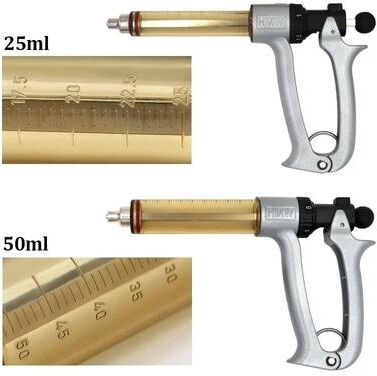
Uplift Picks Semi Automatic Veterinary Vaccine Syringe Adjustable Livestock Injection Syringe For Cattle And Sheep specification 50mlHandle livestock vaccinations more efficiently with this reliable Animal Injection Syringe designed for veterinary and farm use. Built with a semiautomatic continuous injection system, this syringe helps deliver consistent doses while reducing...297,49 $*Shipping: 0,00 $Secure redirect to the provider
-
What is similarity in mathematics?
In mathematics, similarity refers to the relationship between two objects or shapes that have the same shape but are not necessarily the same size. This means that the objects are proportional to each other, with corresponding angles being equal and corresponding sides being in the same ratio. Similarity is often used in geometry to compare and analyze shapes, allowing for the transfer of properties and measurements from one shape to another. **
-
Do you see the similarity?
Yes, I see the similarity between the two concepts. Both share common characteristics and features that make them comparable. The similarities can be observed in their structure, function, and behavior. These similarities help in understanding and drawing parallels between the two concepts. **
-
'How do you prove similarity?'
Similarity between two objects can be proven using various methods. One common method is to show that the corresponding angles of the two objects are congruent, and that the corresponding sides are in proportion to each other. Another method is to use transformations such as dilation, where one object can be scaled up or down to match the other object. Additionally, if the ratio of the lengths of corresponding sides is equal, then the two objects are similar. These methods can be used to prove similarity in geometric figures such as triangles or other polygons. **
-
What is the similarity ratio?
The similarity ratio is a comparison of the corresponding sides of two similar figures. It is used to determine how the dimensions of one figure compare to the dimensions of another figure when they are similar. The ratio is calculated by dividing the length of a side of one figure by the length of the corresponding side of the other figure. This ratio remains constant for all pairs of corresponding sides in similar figures. **
* All prices are inclusive of VAT and, if applicable, plus shipping costs. The offer information is based on the details provided by the respective shop and is updated through automated processes. Real-time updates do not occur, so deviations can occur in individual cases. ** Note: Parts of this content were created by AI.