Buy rinder.eu ?
We are moving the project
rinder.eu .
Are you interested in purchasing the domain
rinder.eu ?
domain@kv-gmbh.de · 0541-91531010
Buy rinder.eu ?
What are mosses and ferns?
Mosses and ferns are both types of non-flowering plants that reproduce through spores rather than seeds. Mosses are small, simple plants that typically grow in dense green clumps or mats in damp or shady environments. They have no true roots, stems, or leaves, and instead absorb water and nutrients through their thin, thread-like structures. Ferns, on the other hand, are larger and more complex plants with roots, stems, and leaves. They are known for their distinctive fronds and are commonly found in moist, shady areas. Both mosses and ferns play important roles in their ecosystems, providing habitat for other organisms and helping to regulate the environment. **
Why do mosses like sugar and yogurt?
Mosses like sugar and yogurt because they contain nutrients that mosses can use for growth and energy. Sugar provides a source of carbohydrates, which mosses can break down and use as fuel for their metabolic processes. Yogurt contains beneficial bacteria and other microorganisms that can help mosses thrive by providing essential nutrients and promoting a healthy environment for their growth. Overall, sugar and yogurt can provide mosses with the necessary resources to support their survival and development. **
Similar search terms for Mosses
Top-Angebote
Products related to Mosses:
-
Happy Pet Pantry Smart Veterinary Digital Livestock Thermometer For Pets, Cattle, Horses & Farm Animals Fast Accurate Reading Smart Veterinary Digital Livestock Thermometer For Pets, Cattle, Horses & Farm Animals Fast Accurate ReadingWhen every second matters in animal care, accurate temperature readings can make all the difference in protecting health and preventing illness. This reliable device is designed as a veterinary thermometer built for fast, safe, and precise...64,97 $*Shipping: 0,00 $Secure redirect to the provider
-
Tools, Home & Hobby 6 Piece Livestock Scratching Brush Set With PBT Bristles For Horses Cattle Pigs And Sheep 6 Piece Livestock Scratching Brush Set With PBT Bristles For Horses Cattle Pigs And SheepThis livestock scratching brush set gives horses, cattle, pigs, sheep, and deer a practical surface for grooming, cleaning, shedding, and scratching hardtoreach areas. Reinforced PBT bristles are firm enough to reach through fur while remaining...199,97 $*Shipping: 0,00 $Secure redirect to the provider
-
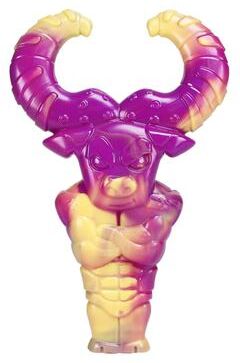
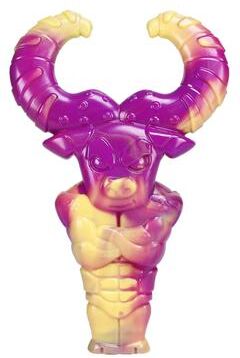
Inspired Living Beef Flavor Tough Dog Chew Toy For Anxiety Relief & Interactive Play cattleBring calm, focus, and tailwagging fun to your dogs day with a tough dog chew toy made for busy jaws. This beefflavored animalshaped toy helps satisfy natural chewing instincts while supporting training, bonding, and boredom relief. Designed for...51,97 $*Shipping: 0,00 $Secure redirect to the provider
-
Uplift Picks Durable Beef Flavor Dog Chew Toy Animal Shaped Interactive Training Toy cattleKeep your dog entertained, active, and engaged with this durable dog toy designed for chewing, training, and interactive play. Featuring a fun animal shaped design and beef flavor attraction, this toy encourages healthy chewing habits while helping...90,50 $*Shipping: 0,00 $Secure redirect to the provider


-
Why do mosses not have a vacuole?
Mosses do have vacuoles, which are membrane-bound organelles found in the cells of plants and other eukaryotic organisms. Vacuoles play a crucial role in storing nutrients, maintaining turgor pressure, and regulating the pH of the cell. Therefore, vacuoles are essential for the survival and function of mosses, just like in other plant species. **
-
What exactly is the generational change in mosses?
Generational change in mosses refers to the alternation of generations between the gametophyte and sporophyte stages in the moss life cycle. The gametophyte stage is the dominant and independent stage, where the moss plant produces gametes (eggs and sperm). When the gametes fuse, they form a zygote that develops into the sporophyte stage, which remains attached to the gametophyte and produces spores through meiosis. These spores then disperse and germinate into new gametophyte plants, completing the cycle. This alternation of generations allows for genetic diversity and adaptation in moss populations. **
-
How do seeds differ from spores, when mosses and ferns are spore-bearing plants?
Seeds are the reproductive structures of seed-bearing plants, while spores are the reproductive structures of spore-bearing plants like mosses and ferns. Seeds are produced within the ovary of a flower and contain an embryo, stored food, and a protective seed coat. Spores, on the other hand, are single-celled reproductive structures that are produced in sporangia and are dispersed by wind or water. In mosses and ferns, spores are released from sporangia and develop into gametophytes, which then produce eggs and sperm for sexual reproduction. **
-
Are algae from freshwater or the sea kosher? What about lichens, ferns, mosses, and sponges?
Algae from freshwater or the sea are generally considered kosher, as they are plant-like organisms that do not have blood or require ritual slaughter. Lichens, ferns, and mosses are also considered kosher, as they are non-flowering plants that do not have the characteristics of non-kosher animals. Sponges, however, are not considered kosher, as they are multicellular animals and do not meet the criteria for kosher consumption. **


Which meat for beef tenderloin?
Beef tenderloin is typically made from the tenderloin muscle of a cow, which is located along the backbone. This cut of meat is known for its tenderness and mild flavor. It is often considered one of the most premium cuts of beef due to its lean and tender qualities. When choosing meat for beef tenderloin, it is important to look for well-marbled, high-quality beef to ensure a juicy and flavorful end result. **
What are meat and animal by-products from cattle?
Meat by-products from cattle are parts of the animal that are not typically consumed as cuts of meat, such as organs, bones, and blood. Animal by-products from cattle can include items like hides, hooves, and horns. These by-products are often used in various industries, such as food processing, pharmaceuticals, and cosmetics. **
Top-Angebote
Products related to Mosses:
-
Uplifted Finds Beef Infused Animal Tough Chew Toy cattleSatiate your dog's natural chewing instincts with this BeefFlavored Animal Tough Toy. Unlike standard rubber toys, this heavyduty chew is infused with a longlasting, enticing beef scent that keeps dogs engaged far longer than unflavored...112,97 $*Shipping: 0,00 $Secure redirect to the provider
-
Uplift Treasures Durable Beef Flavor Dog Chew Toy For Interactive Play cattleProduct Description: Keep your dog entertained and active with this durable beef flavor chew toy. Designed in fun animal shapes, this tough interactive toy helps reduce anxiety, supports training, and encourages healthy chewing for indoor and...102,97 $*Shipping: 0,00 $Secure redirect to the provider
-
Happy Pet Pantry Smart Veterinary Digital Livestock Thermometer For Pets, Cattle, Horses & Farm Animals Fast Accurate Reading Smart Veterinary Digital Livestock Thermometer For Pets, Cattle, Horses & Farm Animals Fast Accurate ReadingWhen every second matters in animal care, accurate temperature readings can make all the difference in protecting health and preventing illness. This reliable device is designed as a veterinary thermometer built for fast, safe, and precise...64,97 $*Shipping: 0,00 $Secure redirect to the provider
-
Tools, Home & Hobby 6 Piece Livestock Scratching Brush Set With PBT Bristles For Horses Cattle Pigs And Sheep 6 Piece Livestock Scratching Brush Set With PBT Bristles For Horses Cattle Pigs And SheepThis livestock scratching brush set gives horses, cattle, pigs, sheep, and deer a practical surface for grooming, cleaning, shedding, and scratching hardtoreach areas. Reinforced PBT bristles are firm enough to reach through fur while remaining...199,97 $*Shipping: 0,00 $Secure redirect to the provider
-
What are mosses and ferns?
Mosses and ferns are both types of non-flowering plants that reproduce through spores rather than seeds. Mosses are small, simple plants that typically grow in dense green clumps or mats in damp or shady environments. They have no true roots, stems, or leaves, and instead absorb water and nutrients through their thin, thread-like structures. Ferns, on the other hand, are larger and more complex plants with roots, stems, and leaves. They are known for their distinctive fronds and are commonly found in moist, shady areas. Both mosses and ferns play important roles in their ecosystems, providing habitat for other organisms and helping to regulate the environment. **
-
Why do mosses like sugar and yogurt?
Mosses like sugar and yogurt because they contain nutrients that mosses can use for growth and energy. Sugar provides a source of carbohydrates, which mosses can break down and use as fuel for their metabolic processes. Yogurt contains beneficial bacteria and other microorganisms that can help mosses thrive by providing essential nutrients and promoting a healthy environment for their growth. Overall, sugar and yogurt can provide mosses with the necessary resources to support their survival and development. **
-
Why do mosses not have a vacuole?
Mosses do have vacuoles, which are membrane-bound organelles found in the cells of plants and other eukaryotic organisms. Vacuoles play a crucial role in storing nutrients, maintaining turgor pressure, and regulating the pH of the cell. Therefore, vacuoles are essential for the survival and function of mosses, just like in other plant species. **
-
What exactly is the generational change in mosses?
Generational change in mosses refers to the alternation of generations between the gametophyte and sporophyte stages in the moss life cycle. The gametophyte stage is the dominant and independent stage, where the moss plant produces gametes (eggs and sperm). When the gametes fuse, they form a zygote that develops into the sporophyte stage, which remains attached to the gametophyte and produces spores through meiosis. These spores then disperse and germinate into new gametophyte plants, completing the cycle. This alternation of generations allows for genetic diversity and adaptation in moss populations. **
Similar search terms for Mosses
-
Inspired Living Beef Flavor Tough Dog Chew Toy For Anxiety Relief & Interactive Play cattleBring calm, focus, and tailwagging fun to your dogs day with a tough dog chew toy made for busy jaws. This beefflavored animalshaped toy helps satisfy natural chewing instincts while supporting training, bonding, and boredom relief. Designed for...51,97 $*Shipping: 0,00 $Secure redirect to the provider
-
Uplift Picks Durable Beef Flavor Dog Chew Toy Animal Shaped Interactive Training Toy cattleKeep your dog entertained, active, and engaged with this durable dog toy designed for chewing, training, and interactive play. Featuring a fun animal shaped design and beef flavor attraction, this toy encourages healthy chewing habits while helping...90,50 $*Shipping: 0,00 $Secure redirect to the provider
-
Uplift Essentials Ultra Durable Beef Scented Chew Toy Indestructible Animal Shaped Enrichment For Heavy Chewers cattleSatisfy your dog's natural urge to chew with our UltraDurable BeefScented Toy. Engineered for the most determined chewers, this heavyduty toy is infused with a longlasting, foodgrade beef flavor that keeps pets engaged far longer than standard...64,97 $*Shipping: 0,00 $Secure redirect to the provider
-
Uplift Picks Semi Automatic Veterinary Vaccine Syringe Adjustable Livestock Injection Syringe For Cattle And Sheep specification 50mlHandle livestock vaccinations more efficiently with this reliable Animal Injection Syringe designed for veterinary and farm use. Built with a semiautomatic continuous injection system, this syringe helps deliver consistent doses while reducing...297,49 $*Shipping: 0,00 $Secure redirect to the provider
-
How do seeds differ from spores, when mosses and ferns are spore-bearing plants?
Seeds are the reproductive structures of seed-bearing plants, while spores are the reproductive structures of spore-bearing plants like mosses and ferns. Seeds are produced within the ovary of a flower and contain an embryo, stored food, and a protective seed coat. Spores, on the other hand, are single-celled reproductive structures that are produced in sporangia and are dispersed by wind or water. In mosses and ferns, spores are released from sporangia and develop into gametophytes, which then produce eggs and sperm for sexual reproduction. **
-
Are algae from freshwater or the sea kosher? What about lichens, ferns, mosses, and sponges?
Algae from freshwater or the sea are generally considered kosher, as they are plant-like organisms that do not have blood or require ritual slaughter. Lichens, ferns, and mosses are also considered kosher, as they are non-flowering plants that do not have the characteristics of non-kosher animals. Sponges, however, are not considered kosher, as they are multicellular animals and do not meet the criteria for kosher consumption. **
-
Which meat for beef tenderloin?
Beef tenderloin is typically made from the tenderloin muscle of a cow, which is located along the backbone. This cut of meat is known for its tenderness and mild flavor. It is often considered one of the most premium cuts of beef due to its lean and tender qualities. When choosing meat for beef tenderloin, it is important to look for well-marbled, high-quality beef to ensure a juicy and flavorful end result. **
-
What are meat and animal by-products from cattle?
Meat by-products from cattle are parts of the animal that are not typically consumed as cuts of meat, such as organs, bones, and blood. Animal by-products from cattle can include items like hides, hooves, and horns. These by-products are often used in various industries, such as food processing, pharmaceuticals, and cosmetics. **
* All prices are inclusive of VAT and, if applicable, plus shipping costs. The offer information is based on the details provided by the respective shop and is updated through automated processes. Real-time updates do not occur, so deviations can occur in individual cases. ** Note: Parts of this content were created by AI.