Buy rinder.eu ?
We are moving the project
rinder.eu .
Are you interested in purchasing the domain
rinder.eu ?
domain@kv-gmbh.de · 0541-91531010
Buy rinder.eu ?
May I reprimand someone in Buddhism for consuming meat?
In Buddhism, the decision to consume meat is a personal choice and is not explicitly prohibited. However, the Buddha did encourage his followers to practice compassion and non-harming towards all living beings. Therefore, if you feel the need to reprimand someone for consuming meat, it is important to do so with compassion and understanding, rather than judgment or anger. It is also important to remember that everyone is on their own spiritual journey and it is not our place to force our beliefs onto others. Instead, leading by example and gently sharing the teachings of compassion and non-harming may be more effective in encouraging others to make mindful choices. **
What are the differences between Buddhism and Tibetan Buddhism?
Buddhism is a broader religion that encompasses various traditions and schools, while Tibetan Buddhism is a specific branch of Buddhism that developed in Tibet. Tibetan Buddhism incorporates elements of Tibetan culture, such as rituals, deities, and practices like chanting and visualization. It also places a strong emphasis on the teachings of Tibetan Buddhist masters and the importance of the Dalai Lama. Additionally, Tibetan Buddhism includes unique practices such as the use of prayer flags, prayer wheels, and mandalas. **


Similar search terms for Buddhism
Top-Angebote
Products related to Buddhism:
-
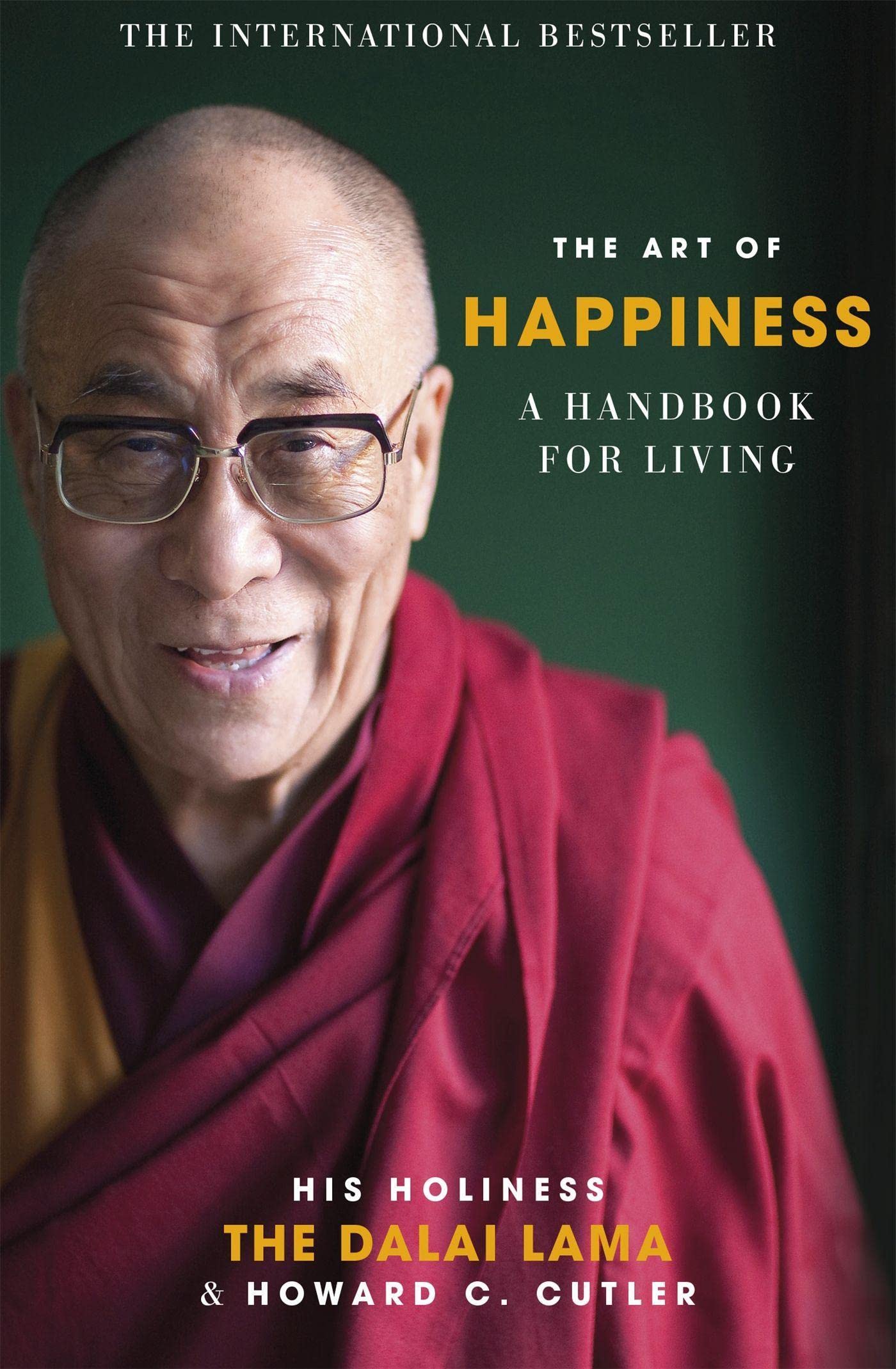
Hodder & Stoughton The Art of Happiness: A Handbook for Living by The Dalai Lama & Howard C. Cutler - Paperback Self-Help Classic on Buddhism & WellbeingA handbook for living, 'The Art of Happiness' pairs the spiritual insight of the Dalai Lama with the clinical expertise of Dr Howard C. Cutler. This practical guide explores how lasting contentment can be cultivated in everyday life, blending Tibetan Buddhist philosophy with Western psychology. The book is based on conversations between the Dalai Lama and Dr Cutler, recorded over several years, and offers a unique perspective on anxiety, loneliness, anger, loss, and the pursuit of wealth. Written with warmth, humour, and practicality, this influential work remains a valuable resource for those seeking calm and inner peace.9,99 £*Shipping: 2,99 £Secure redirect to the provider
-
Happy Pet Pantry Smart Veterinary Digital Livestock Thermometer For Pets, Cattle, Horses & Farm Animals Fast Accurate Reading Smart Veterinary Digital Livestock Thermometer For Pets, Cattle, Horses & Farm Animals Fast Accurate ReadingWhen every second matters in animal care, accurate temperature readings can make all the difference in protecting health and preventing illness. This reliable device is designed as a veterinary thermometer built for fast, safe, and precise...64,97 $*Shipping: 0,00 $Secure redirect to the provider
-
Tools, Home & Hobby 6 Piece Livestock Scratching Brush Set With PBT Bristles For Horses Cattle Pigs And Sheep 6 Piece Livestock Scratching Brush Set With PBT Bristles For Horses Cattle Pigs And SheepThis livestock scratching brush set gives horses, cattle, pigs, sheep, and deer a practical surface for grooming, cleaning, shedding, and scratching hardtoreach areas. Reinforced PBT bristles are firm enough to reach through fur while remaining...199,97 $*Shipping: 0,00 $Secure redirect to the provider
-
Inspired Living Beef Flavor Tough Dog Chew Toy For Anxiety Relief & Interactive Play cattleBring calm, focus, and tailwagging fun to your dogs day with a tough dog chew toy made for busy jaws. This beefflavored animalshaped toy helps satisfy natural chewing instincts while supporting training, bonding, and boredom relief. Designed for...51,97 $*Shipping: 0,00 $Secure redirect to the provider


-
What is the difference between Buddhism and Zen Buddhism?
Buddhism is a broader religion and philosophy that encompasses a variety of traditions and practices, while Zen Buddhism is a specific school or branch of Mahayana Buddhism that emphasizes meditation and direct experience of enlightenment. Zen Buddhism places a strong emphasis on the practice of meditation (zazen) as a means to achieve enlightenment, while traditional Buddhism incorporates a wider range of practices such as chanting, rituals, and study of Buddhist scriptures. Additionally, Zen Buddhism often focuses on the teachings of specific Zen masters and the importance of the teacher-student relationship in transmitting wisdom and insight. **
-
Is Buddhism illogical?
Buddhism is not inherently illogical. It is a complex and diverse belief system that encompasses a wide range of philosophical and ethical teachings. While some aspects of Buddhist doctrine may seem counterintuitive or difficult to understand from a Western perspective, they are based on a different cultural and philosophical framework. Many Buddhist teachings emphasize the importance of critical thinking and personal experience, and encourage followers to question and explore their beliefs. Ultimately, whether Buddhism is considered logical or not may depend on one's own perspective and understanding of its teachings. **
-
What is the difference between Zen Buddhism and regular Buddhism?
The main difference between Zen Buddhism and regular Buddhism lies in their approach to meditation and enlightenment. Zen Buddhism, which originated in China and later developed in Japan, emphasizes the practice of meditation (zazen) as the primary means to attain enlightenment. It focuses on direct experience and intuitive understanding, often through the guidance of a teacher. Regular Buddhism, on the other hand, encompasses a variety of traditions and practices, with meditation being just one of them. It places more emphasis on the study of scriptures, ethical conduct, and the development of wisdom and compassion. While both Zen Buddhism and regular Buddhism share the same core teachings of the Four Noble Truths and the Eightfold Path, their methods and emphasis on practice differ. **
-
What does Buddhism teach?
Buddhism teaches the Four Noble Truths, which are the truths of suffering, the cause of suffering, the end of suffering, and the path to the end of suffering. It also emphasizes the importance of mindfulness, compassion, and non-attachment. Buddhism teaches that all beings are interconnected and that the ultimate goal is to achieve enlightenment and liberation from the cycle of birth and death (samsara). **


What is Zen Buddhism?
Zen Buddhism is a school of Mahayana Buddhism that originated in China during the Tang dynasty and later spread to Japan. It emphasizes the practice of meditation (zazen) and the direct experience of enlightenment, or awakening. Zen teachings often focus on the concept of emptiness, impermanence, and the importance of living in the present moment. It is known for its minimalist approach, simplicity, and the use of paradoxical statements (koans) to provoke insight and break through conceptual thinking. **
What speaks against Buddhism?
Some criticisms of Buddhism include its focus on individual enlightenment, which some argue can lead to detachment from societal issues and responsibilities. Additionally, the concept of karma and rebirth can be seen as fatalistic or lacking in empirical evidence. Some critics also point out that certain Buddhist teachings may perpetuate gender inequality or social hierarchies. Overall, the main criticisms of Buddhism often revolve around its philosophical concepts, practical applications, and societal implications. **
Top-Angebote
Products related to Buddhism:
-
Uplifted Finds Beef Infused Animal Tough Chew Toy cattleSatiate your dog's natural chewing instincts with this BeefFlavored Animal Tough Toy. Unlike standard rubber toys, this heavyduty chew is infused with a longlasting, enticing beef scent that keeps dogs engaged far longer than unflavored...112,97 $*Shipping: 0,00 $Secure redirect to the provider
-
Uplift Treasures Durable Beef Flavor Dog Chew Toy For Interactive Play cattleProduct Description: Keep your dog entertained and active with this durable beef flavor chew toy. Designed in fun animal shapes, this tough interactive toy helps reduce anxiety, supports training, and encourages healthy chewing for indoor and...102,97 $*Shipping: 0,00 $Secure redirect to the provider
-
Hodder & Stoughton The Art of Happiness: A Handbook for Living by The Dalai Lama & Howard C. Cutler - Paperback Self-Help Classic on Buddhism & WellbeingA handbook for living, 'The Art of Happiness' pairs the spiritual insight of the Dalai Lama with the clinical expertise of Dr Howard C. Cutler. This practical guide explores how lasting contentment can be cultivated in everyday life, blending Tibetan Buddhist philosophy with Western psychology. The book is based on conversations between the Dalai Lama and Dr Cutler, recorded over several years, and offers a unique perspective on anxiety, loneliness, anger, loss, and the pursuit of wealth. Written with warmth, humour, and practicality, this influential work remains a valuable resource for those seeking calm and inner peace.9,99 £*Shipping: 2,99 £Secure redirect to the provider
-
Happy Pet Pantry Smart Veterinary Digital Livestock Thermometer For Pets, Cattle, Horses & Farm Animals Fast Accurate Reading Smart Veterinary Digital Livestock Thermometer For Pets, Cattle, Horses & Farm Animals Fast Accurate ReadingWhen every second matters in animal care, accurate temperature readings can make all the difference in protecting health and preventing illness. This reliable device is designed as a veterinary thermometer built for fast, safe, and precise...64,97 $*Shipping: 0,00 $Secure redirect to the provider
-
May I reprimand someone in Buddhism for consuming meat?
In Buddhism, the decision to consume meat is a personal choice and is not explicitly prohibited. However, the Buddha did encourage his followers to practice compassion and non-harming towards all living beings. Therefore, if you feel the need to reprimand someone for consuming meat, it is important to do so with compassion and understanding, rather than judgment or anger. It is also important to remember that everyone is on their own spiritual journey and it is not our place to force our beliefs onto others. Instead, leading by example and gently sharing the teachings of compassion and non-harming may be more effective in encouraging others to make mindful choices. **
-
What are the differences between Buddhism and Tibetan Buddhism?
Buddhism is a broader religion that encompasses various traditions and schools, while Tibetan Buddhism is a specific branch of Buddhism that developed in Tibet. Tibetan Buddhism incorporates elements of Tibetan culture, such as rituals, deities, and practices like chanting and visualization. It also places a strong emphasis on the teachings of Tibetan Buddhist masters and the importance of the Dalai Lama. Additionally, Tibetan Buddhism includes unique practices such as the use of prayer flags, prayer wheels, and mandalas. **
-
What is the difference between Buddhism and Zen Buddhism?
Buddhism is a broader religion and philosophy that encompasses a variety of traditions and practices, while Zen Buddhism is a specific school or branch of Mahayana Buddhism that emphasizes meditation and direct experience of enlightenment. Zen Buddhism places a strong emphasis on the practice of meditation (zazen) as a means to achieve enlightenment, while traditional Buddhism incorporates a wider range of practices such as chanting, rituals, and study of Buddhist scriptures. Additionally, Zen Buddhism often focuses on the teachings of specific Zen masters and the importance of the teacher-student relationship in transmitting wisdom and insight. **
-
Is Buddhism illogical?
Buddhism is not inherently illogical. It is a complex and diverse belief system that encompasses a wide range of philosophical and ethical teachings. While some aspects of Buddhist doctrine may seem counterintuitive or difficult to understand from a Western perspective, they are based on a different cultural and philosophical framework. Many Buddhist teachings emphasize the importance of critical thinking and personal experience, and encourage followers to question and explore their beliefs. Ultimately, whether Buddhism is considered logical or not may depend on one's own perspective and understanding of its teachings. **
Similar search terms for Buddhism
-
Tools, Home & Hobby 6 Piece Livestock Scratching Brush Set With PBT Bristles For Horses Cattle Pigs And Sheep 6 Piece Livestock Scratching Brush Set With PBT Bristles For Horses Cattle Pigs And SheepThis livestock scratching brush set gives horses, cattle, pigs, sheep, and deer a practical surface for grooming, cleaning, shedding, and scratching hardtoreach areas. Reinforced PBT bristles are firm enough to reach through fur while remaining...199,97 $*Shipping: 0,00 $Secure redirect to the provider
-
Inspired Living Beef Flavor Tough Dog Chew Toy For Anxiety Relief & Interactive Play cattleBring calm, focus, and tailwagging fun to your dogs day with a tough dog chew toy made for busy jaws. This beefflavored animalshaped toy helps satisfy natural chewing instincts while supporting training, bonding, and boredom relief. Designed for...51,97 $*Shipping: 0,00 $Secure redirect to the provider
-
Uplift Picks Durable Beef Flavor Dog Chew Toy Animal Shaped Interactive Training Toy cattleKeep your dog entertained, active, and engaged with this durable dog toy designed for chewing, training, and interactive play. Featuring a fun animal shaped design and beef flavor attraction, this toy encourages healthy chewing habits while helping...90,50 $*Shipping: 0,00 $Secure redirect to the provider
-
Uplift Essentials Ultra Durable Beef Scented Chew Toy Indestructible Animal Shaped Enrichment For Heavy Chewers cattleSatisfy your dog's natural urge to chew with our UltraDurable BeefScented Toy. Engineered for the most determined chewers, this heavyduty toy is infused with a longlasting, foodgrade beef flavor that keeps pets engaged far longer than standard...64,97 $*Shipping: 0,00 $Secure redirect to the provider
-
What is the difference between Zen Buddhism and regular Buddhism?
The main difference between Zen Buddhism and regular Buddhism lies in their approach to meditation and enlightenment. Zen Buddhism, which originated in China and later developed in Japan, emphasizes the practice of meditation (zazen) as the primary means to attain enlightenment. It focuses on direct experience and intuitive understanding, often through the guidance of a teacher. Regular Buddhism, on the other hand, encompasses a variety of traditions and practices, with meditation being just one of them. It places more emphasis on the study of scriptures, ethical conduct, and the development of wisdom and compassion. While both Zen Buddhism and regular Buddhism share the same core teachings of the Four Noble Truths and the Eightfold Path, their methods and emphasis on practice differ. **
-
What does Buddhism teach?
Buddhism teaches the Four Noble Truths, which are the truths of suffering, the cause of suffering, the end of suffering, and the path to the end of suffering. It also emphasizes the importance of mindfulness, compassion, and non-attachment. Buddhism teaches that all beings are interconnected and that the ultimate goal is to achieve enlightenment and liberation from the cycle of birth and death (samsara). **
-
What is Zen Buddhism?
Zen Buddhism is a school of Mahayana Buddhism that originated in China during the Tang dynasty and later spread to Japan. It emphasizes the practice of meditation (zazen) and the direct experience of enlightenment, or awakening. Zen teachings often focus on the concept of emptiness, impermanence, and the importance of living in the present moment. It is known for its minimalist approach, simplicity, and the use of paradoxical statements (koans) to provoke insight and break through conceptual thinking. **
-
What speaks against Buddhism?
Some criticisms of Buddhism include its focus on individual enlightenment, which some argue can lead to detachment from societal issues and responsibilities. Additionally, the concept of karma and rebirth can be seen as fatalistic or lacking in empirical evidence. Some critics also point out that certain Buddhist teachings may perpetuate gender inequality or social hierarchies. Overall, the main criticisms of Buddhism often revolve around its philosophical concepts, practical applications, and societal implications. **
* All prices are inclusive of VAT and, if applicable, plus shipping costs. The offer information is based on the details provided by the respective shop and is updated through automated processes. Real-time updates do not occur, so deviations can occur in individual cases. ** Note: Parts of this content were created by AI.