Buy rinder.eu ?
We are moving the project
rinder.eu .
Are you interested in purchasing the domain
rinder.eu ?
domain@kv-gmbh.de · 0541-91531010
Buy rinder.eu ?
Why is meat consumption bad?
Meat consumption is considered bad for several reasons. Firstly, the meat industry is a major contributor to greenhouse gas emissions, deforestation, and water pollution, leading to environmental degradation. Secondly, the production of meat often involves inhumane treatment of animals, causing suffering and ethical concerns. Additionally, a diet high in meat has been linked to various health issues such as heart disease, obesity, and certain types of cancer. Overall, reducing meat consumption can have positive impacts on the environment, animal welfare, and personal health. **
Should meat consumption be regulated?
Meat consumption should be regulated to some extent in order to address environmental, health, and ethical concerns. The meat industry is a major contributor to greenhouse gas emissions and deforestation, so regulating consumption could help mitigate these impacts. Additionally, excessive meat consumption has been linked to various health issues, so regulation could help promote healthier dietary choices. From an ethical standpoint, regulating meat consumption could also help address animal welfare concerns. However, it's important to balance regulation with individual choice and cultural practices. **


Similar search terms for Consumption
Top-Angebote
Products related to Consumption:
-
Inspire Curations Digital Wattmeter LCD Energy Meter And Power Consumption Monitor uk PlugTake the guesswork out of appliance energy use with clear, realtime electrical monitoring. This digital wattmeter plugs between a compatible wall outlet and appliance, giving you useful information about how much electricity the connected device...108,00 $*Shipping: 0,00 $Secure redirect to the provider
-
Uplifted Finds Beef Infused Animal Tough Chew Toy cattleSatiate your dog's natural chewing instincts with this BeefFlavored Animal Tough Toy. Unlike standard rubber toys, this heavyduty chew is infused with a longlasting, enticing beef scent that keeps dogs engaged far longer than unflavored...112,97 $*Shipping: 0,00 $Secure redirect to the provider
-
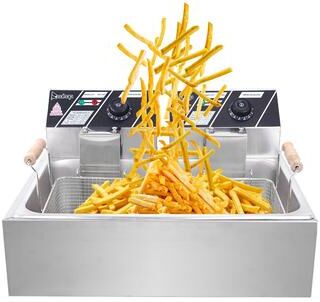
NO Oil Consumption 12.7Qt/12L Stainless Steel Large Single-Cylinder Electric Fryer 5000W Max - 12.7QtFeatures: 1. Heavy duty stainless steel construction for commercial and home use 2. Dual electrical heads and power plugs for single large capacity tank application 3. Thermostats for accurate temperature setting 4.114,49 $*Shipping: 0,00 $Secure redirect to the provider
-
Uplift Treasures Durable Beef Flavor Dog Chew Toy For Interactive Play cattleProduct Description: Keep your dog entertained and active with this durable beef flavor chew toy. Designed in fun animal shapes, this tough interactive toy helps reduce anxiety, supports training, and encourages healthy chewing for indoor and...102,97 $*Shipping: 0,00 $Secure redirect to the provider



-
Do you reduce your meat consumption?
As an AI, I do not consume food, so I do not have the ability to reduce my meat consumption. However, I can provide information and support for those who are looking to reduce their meat consumption for health, environmental, or ethical reasons. It is important to be mindful of the impact our dietary choices have on our health and the planet, and reducing meat consumption can be a positive step towards a more sustainable lifestyle. **
-
How high is the meat consumption?
Meat consumption varies greatly depending on the country and culture. In some countries, such as the United States and Australia, meat consumption is quite high, with individuals consuming meat daily or multiple times a day. In other countries, such as India and some parts of Africa, meat consumption is lower due to cultural, religious, or economic reasons. Overall, global meat consumption has been steadily increasing over the years, leading to concerns about its environmental impact and sustainability. **
-
Is a meat consumption ban possible?
A meat consumption ban is technically possible, but it would be extremely challenging to implement and enforce. Meat is a significant part of many people's diets and cultures, so there would likely be strong opposition to such a ban. Additionally, the meat industry is a major economic force in many countries, so there would be significant economic implications to consider. Instead of a ban, efforts to reduce meat consumption and promote plant-based alternatives may be more feasible and effective in addressing environmental and health concerns associated with meat consumption. **
-
How much is meat consumption decreasing?
Meat consumption is decreasing in some parts of the world, particularly in developed countries where there is a growing trend towards plant-based diets and vegetarianism. According to a study by the University of Oxford, global meat consumption is projected to decrease by 33% by 2050. This decrease is driven by concerns about the environmental impact of meat production, as well as health and ethical considerations. However, it's important to note that meat consumption is still rising in some developing countries as their populations grow and their economies develop. **


Is meat consumption a fundamental right?
Meat consumption is not considered a fundamental right in most societies. While individuals have the freedom to choose their diet and food preferences, the consumption of meat is not considered a fundamental right in the same way as freedom of speech or religion. However, access to a variety of food options, including meat, can be seen as a basic human need, and ensuring access to a balanced and nutritious diet is an important aspect of human rights and food security. Ultimately, the question of whether meat consumption is a fundamental right is a complex and subjective issue that varies depending on cultural, ethical, and environmental perspectives. **
Does meat consumption consume more energy?
Yes, meat consumption typically consumes more energy compared to plant-based foods. This is because raising animals for meat production requires more resources such as water, land, and feed. Additionally, the process of raising, slaughtering, and transporting animals for meat production also consumes a significant amount of energy. Therefore, reducing meat consumption and opting for plant-based alternatives can help lower energy consumption and reduce the environmental impact of food production. **
Top-Angebote
Products related to Consumption:
-
Inspire Curations Digital Wattmeter Socket Electricity Consumption Meter uk PlugTake control of household energy monitoring with this digital power meter, designed to measure the electricity consumption of connected appliances. Compatible versions support AC 110V or 220V systems with multiple regional plug options, making it...115,50 $*Shipping: 0,00 $Secure redirect to the provider
-
Uplifted Finds Digital LCD Energy Meter Wattmeter Power Consumption Analyzer Outlet no BacklightTake full control over your electrical expenses and identify energydraining household appliances with this Digital LCD Energy Meter Wattmeter. Designed for realtime power monitoring, this plugin electricity analyzer measures wattage, cumulative...124,97 $*Shipping: 0,00 $Secure redirect to the provider
-
Inspire Curations Digital Wattmeter LCD Energy Meter And Power Consumption Monitor uk PlugTake the guesswork out of appliance energy use with clear, realtime electrical monitoring. This digital wattmeter plugs between a compatible wall outlet and appliance, giving you useful information about how much electricity the connected device...108,00 $*Shipping: 0,00 $Secure redirect to the provider
-
Uplifted Finds Beef Infused Animal Tough Chew Toy cattleSatiate your dog's natural chewing instincts with this BeefFlavored Animal Tough Toy. Unlike standard rubber toys, this heavyduty chew is infused with a longlasting, enticing beef scent that keeps dogs engaged far longer than unflavored...112,97 $*Shipping: 0,00 $Secure redirect to the provider
-
Why is meat consumption bad?
Meat consumption is considered bad for several reasons. Firstly, the meat industry is a major contributor to greenhouse gas emissions, deforestation, and water pollution, leading to environmental degradation. Secondly, the production of meat often involves inhumane treatment of animals, causing suffering and ethical concerns. Additionally, a diet high in meat has been linked to various health issues such as heart disease, obesity, and certain types of cancer. Overall, reducing meat consumption can have positive impacts on the environment, animal welfare, and personal health. **
-
Should meat consumption be regulated?
Meat consumption should be regulated to some extent in order to address environmental, health, and ethical concerns. The meat industry is a major contributor to greenhouse gas emissions and deforestation, so regulating consumption could help mitigate these impacts. Additionally, excessive meat consumption has been linked to various health issues, so regulation could help promote healthier dietary choices. From an ethical standpoint, regulating meat consumption could also help address animal welfare concerns. However, it's important to balance regulation with individual choice and cultural practices. **
-
Do you reduce your meat consumption?
As an AI, I do not consume food, so I do not have the ability to reduce my meat consumption. However, I can provide information and support for those who are looking to reduce their meat consumption for health, environmental, or ethical reasons. It is important to be mindful of the impact our dietary choices have on our health and the planet, and reducing meat consumption can be a positive step towards a more sustainable lifestyle. **
-
How high is the meat consumption?
Meat consumption varies greatly depending on the country and culture. In some countries, such as the United States and Australia, meat consumption is quite high, with individuals consuming meat daily or multiple times a day. In other countries, such as India and some parts of Africa, meat consumption is lower due to cultural, religious, or economic reasons. Overall, global meat consumption has been steadily increasing over the years, leading to concerns about its environmental impact and sustainability. **
Similar search terms for Consumption
-
NO Oil Consumption 12.7Qt/12L Stainless Steel Large Single-Cylinder Electric Fryer 5000W Max - 12.7QtFeatures: 1. Heavy duty stainless steel construction for commercial and home use 2. Dual electrical heads and power plugs for single large capacity tank application 3. Thermostats for accurate temperature setting 4.114,49 $*Shipping: 0,00 $Secure redirect to the provider
-
Uplift Treasures Durable Beef Flavor Dog Chew Toy For Interactive Play cattleProduct Description: Keep your dog entertained and active with this durable beef flavor chew toy. Designed in fun animal shapes, this tough interactive toy helps reduce anxiety, supports training, and encourages healthy chewing for indoor and...102,97 $*Shipping: 0,00 $Secure redirect to the provider
-
Happy Pet Pantry Smart Veterinary Digital Livestock Thermometer For Pets, Cattle, Horses & Farm Animals Fast Accurate Reading Smart Veterinary Digital Livestock Thermometer For Pets, Cattle, Horses & Farm Animals Fast Accurate ReadingWhen every second matters in animal care, accurate temperature readings can make all the difference in protecting health and preventing illness. This reliable device is designed as a veterinary thermometer built for fast, safe, and precise...64,97 $*Shipping: 0,00 $Secure redirect to the provider
-
Tools, Home & Hobby 6 Piece Livestock Scratching Brush Set With PBT Bristles For Horses Cattle Pigs And Sheep 6 Piece Livestock Scratching Brush Set With PBT Bristles For Horses Cattle Pigs And SheepThis livestock scratching brush set gives horses, cattle, pigs, sheep, and deer a practical surface for grooming, cleaning, shedding, and scratching hardtoreach areas. Reinforced PBT bristles are firm enough to reach through fur while remaining...199,97 $*Shipping: 0,00 $Secure redirect to the provider
-
Is a meat consumption ban possible?
A meat consumption ban is technically possible, but it would be extremely challenging to implement and enforce. Meat is a significant part of many people's diets and cultures, so there would likely be strong opposition to such a ban. Additionally, the meat industry is a major economic force in many countries, so there would be significant economic implications to consider. Instead of a ban, efforts to reduce meat consumption and promote plant-based alternatives may be more feasible and effective in addressing environmental and health concerns associated with meat consumption. **
-
How much is meat consumption decreasing?
Meat consumption is decreasing in some parts of the world, particularly in developed countries where there is a growing trend towards plant-based diets and vegetarianism. According to a study by the University of Oxford, global meat consumption is projected to decrease by 33% by 2050. This decrease is driven by concerns about the environmental impact of meat production, as well as health and ethical considerations. However, it's important to note that meat consumption is still rising in some developing countries as their populations grow and their economies develop. **
-
Is meat consumption a fundamental right?
Meat consumption is not considered a fundamental right in most societies. While individuals have the freedom to choose their diet and food preferences, the consumption of meat is not considered a fundamental right in the same way as freedom of speech or religion. However, access to a variety of food options, including meat, can be seen as a basic human need, and ensuring access to a balanced and nutritious diet is an important aspect of human rights and food security. Ultimately, the question of whether meat consumption is a fundamental right is a complex and subjective issue that varies depending on cultural, ethical, and environmental perspectives. **
-
Does meat consumption consume more energy?
Yes, meat consumption typically consumes more energy compared to plant-based foods. This is because raising animals for meat production requires more resources such as water, land, and feed. Additionally, the process of raising, slaughtering, and transporting animals for meat production also consumes a significant amount of energy. Therefore, reducing meat consumption and opting for plant-based alternatives can help lower energy consumption and reduce the environmental impact of food production. **
* All prices are inclusive of VAT and, if applicable, plus shipping costs. The offer information is based on the details provided by the respective shop and is updated through automated processes. Real-time updates do not occur, so deviations can occur in individual cases. ** Note: Parts of this content were created by AI.